
Posted At: Jan 05, 2026 - 845 Views
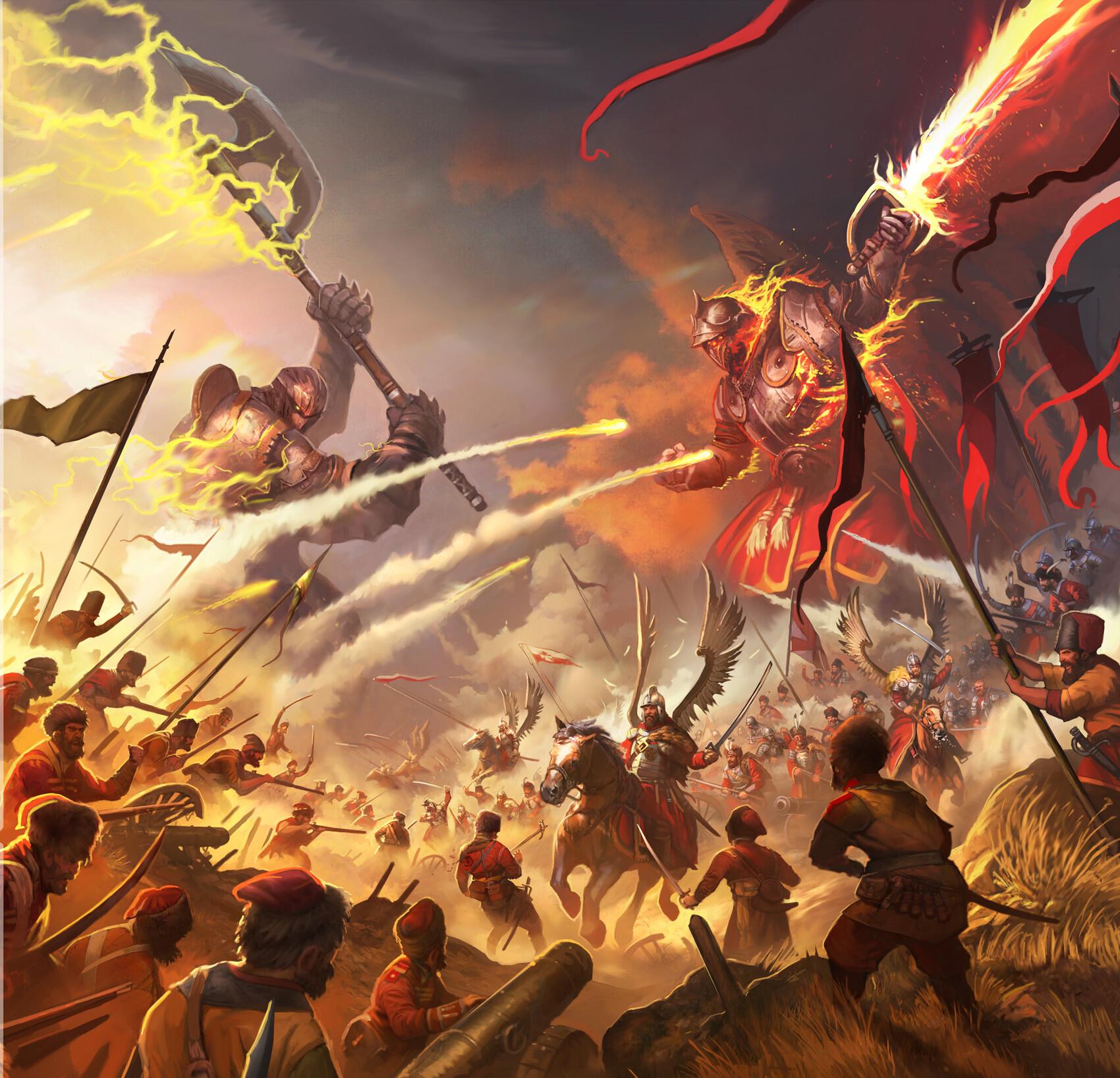
Does the Art Matter in a Board Game?
A Complete Guide for Board Game Creators, Publishers, and Designers
Contents
1. Introduction: Why This Question Matters to Everyone
2. Art Is the First Conversation a Game Has With People
3. Art and Theme: Making the Game World Understandable
4. Art as a Tool for Understanding the Game
5. How Art Shapes Player Emotion and Experience
6. Art and Memory: Why Some Games Stay With Us
7. Art as Communication, Not Decoration
8. Art Makes Games More Accessible
9. Art Extends the Life of a Game Beyond the Table
10. The Costly Misunderstanding of “Art Comes Last”
11. When Art Is Considered Early vs Late
12. Art Is a Creative Partnership
13. So, Does Art Matter in a Board Game?
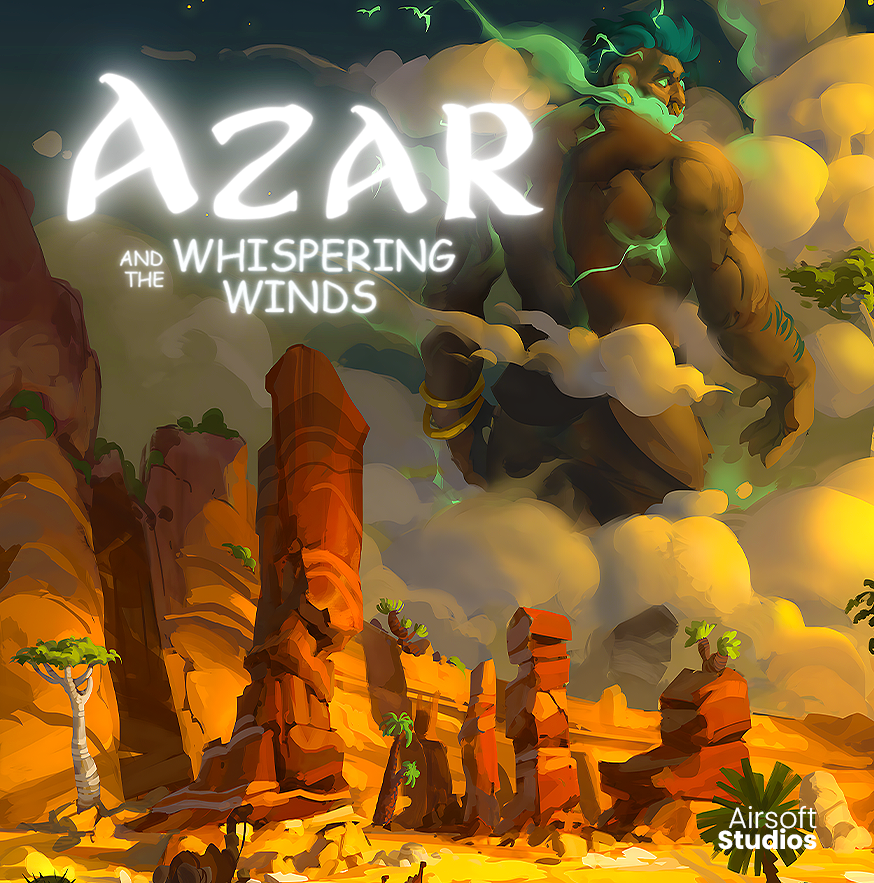
Introduction: Why This Question Matters to Everyone
Board games are experienced before they are played. Long before rules are read or dice are rolled, players encounter a box, a board, cards, and components.
The question “Does art matter in a board game?” It is not just for designers or artists, it matters to anyone who wants games to be understood, enjoyed, remembered, and shared.
Art is often misunderstood as decoration. In reality, it is one of the core systems that shape how a game communicates, feels, and survives in a crowded world of games.
Art Is the First Conversation a Game Has With People
A board game box on a shelf, an artwork on a crowdfunding page, or a board game illustration about your game shared online is often the first and only chance a game has to earn attention. In that brief moment, art is doing the work of introduction, explanation, marketing, and invitation all at once.
Board game art doesn't just attract the eyes, it signals professionalism and intent. It tells players that they are going to have a great time playing that game. When art is weak, unclear, or inconsistent, it creates hesitation, even if the game itself is well designed. In a crowded board game space, first impressions are not optional; they are decisive.
Art and Theme: Making the Game World Understandable
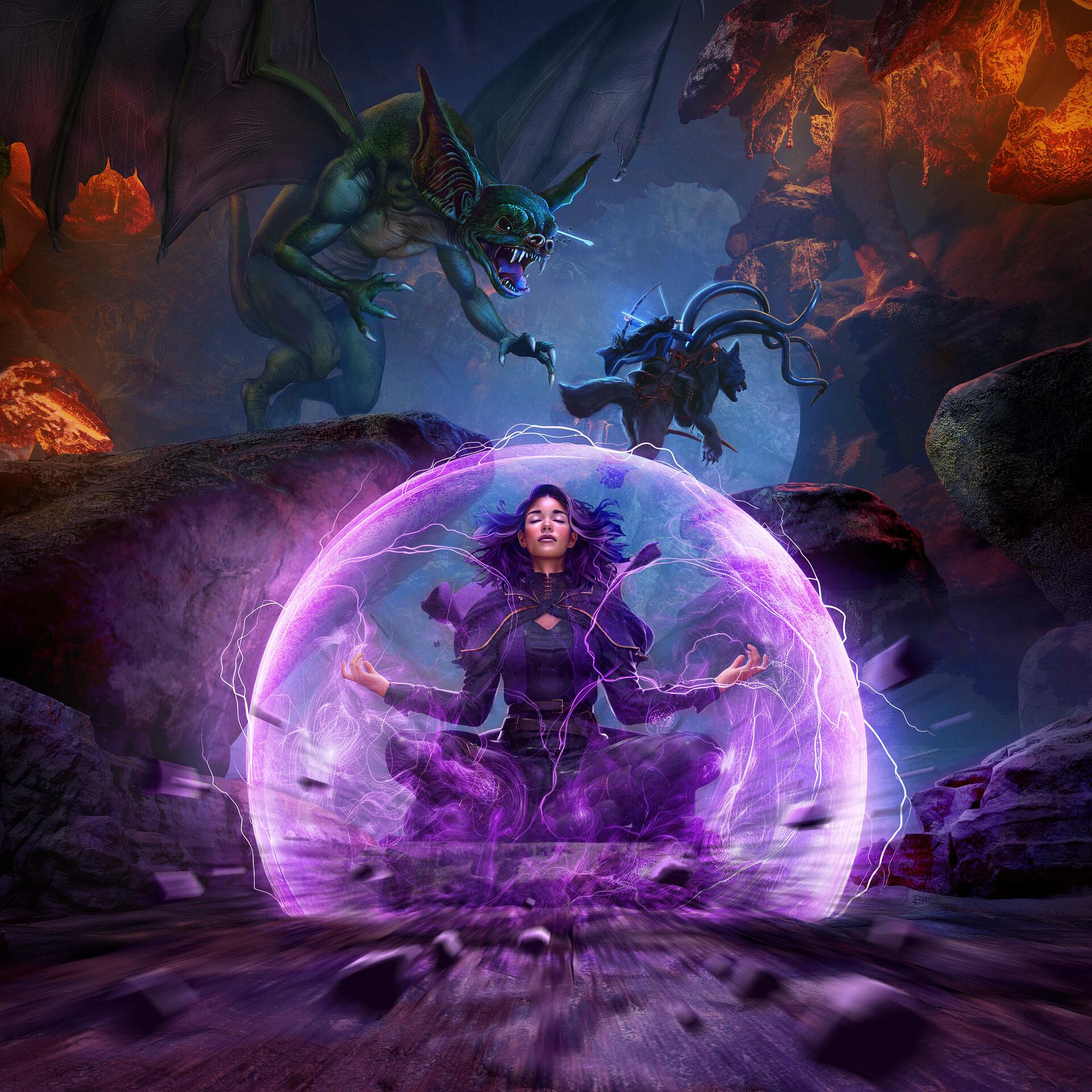
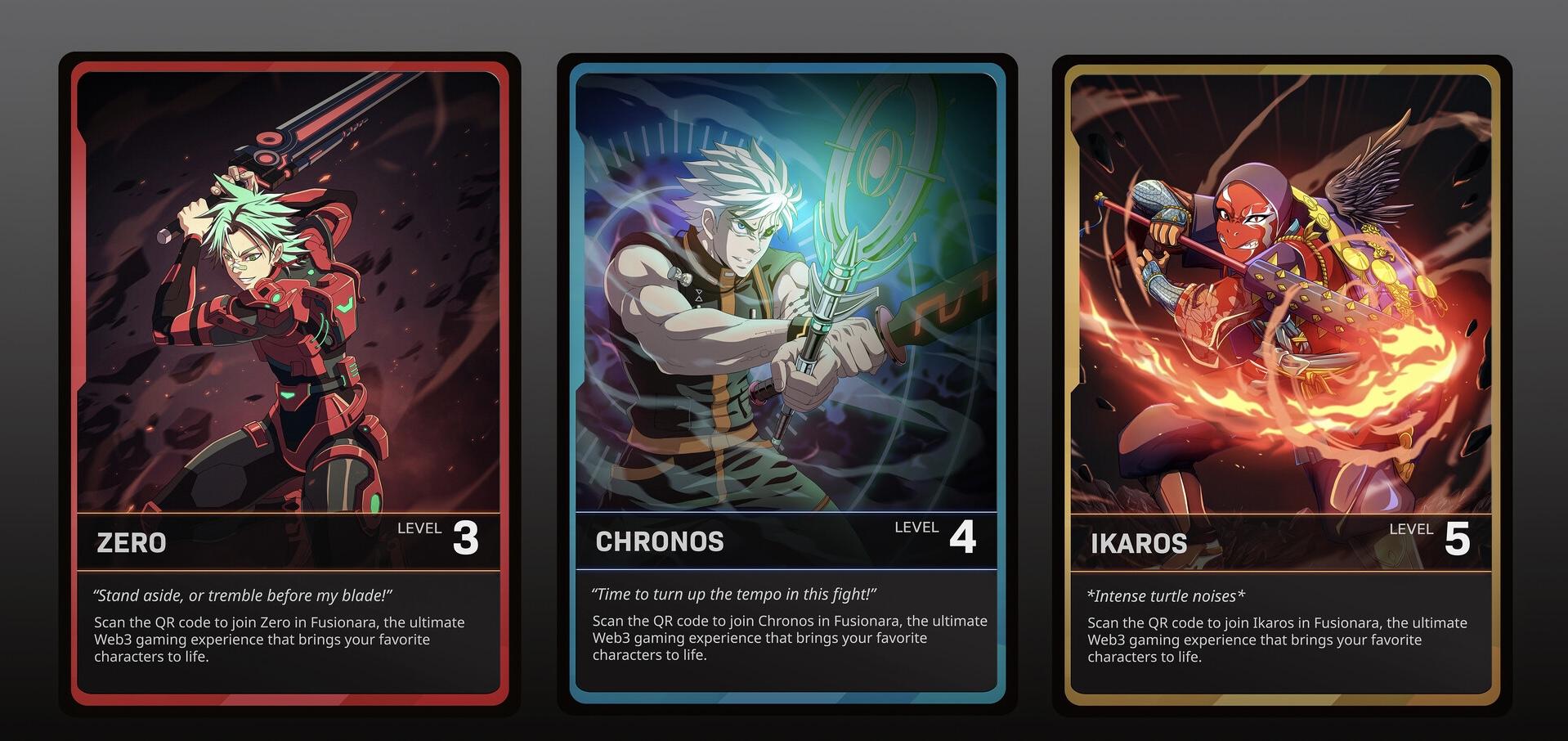
Art helps players instantly grasp the theme. Theme is one of the primary reasons people choose a game, yet theme is not conveyed by text alone. Art transforms an abstract idea into something players can instantly understand. Whether a game is about exploration, strategy, survival, or storytelling, illustration gives the theme emotional weight and clarity.
Color palettes, character design, environments, and visual tone all work together to establish atmosphere. Without this visual translation, even a strong theme can feel distant or disconnected. Art is what makes the theme believable, intuitive, and immersive. That's why it's so important to ensure your artwork is designed by the right board game art studio .
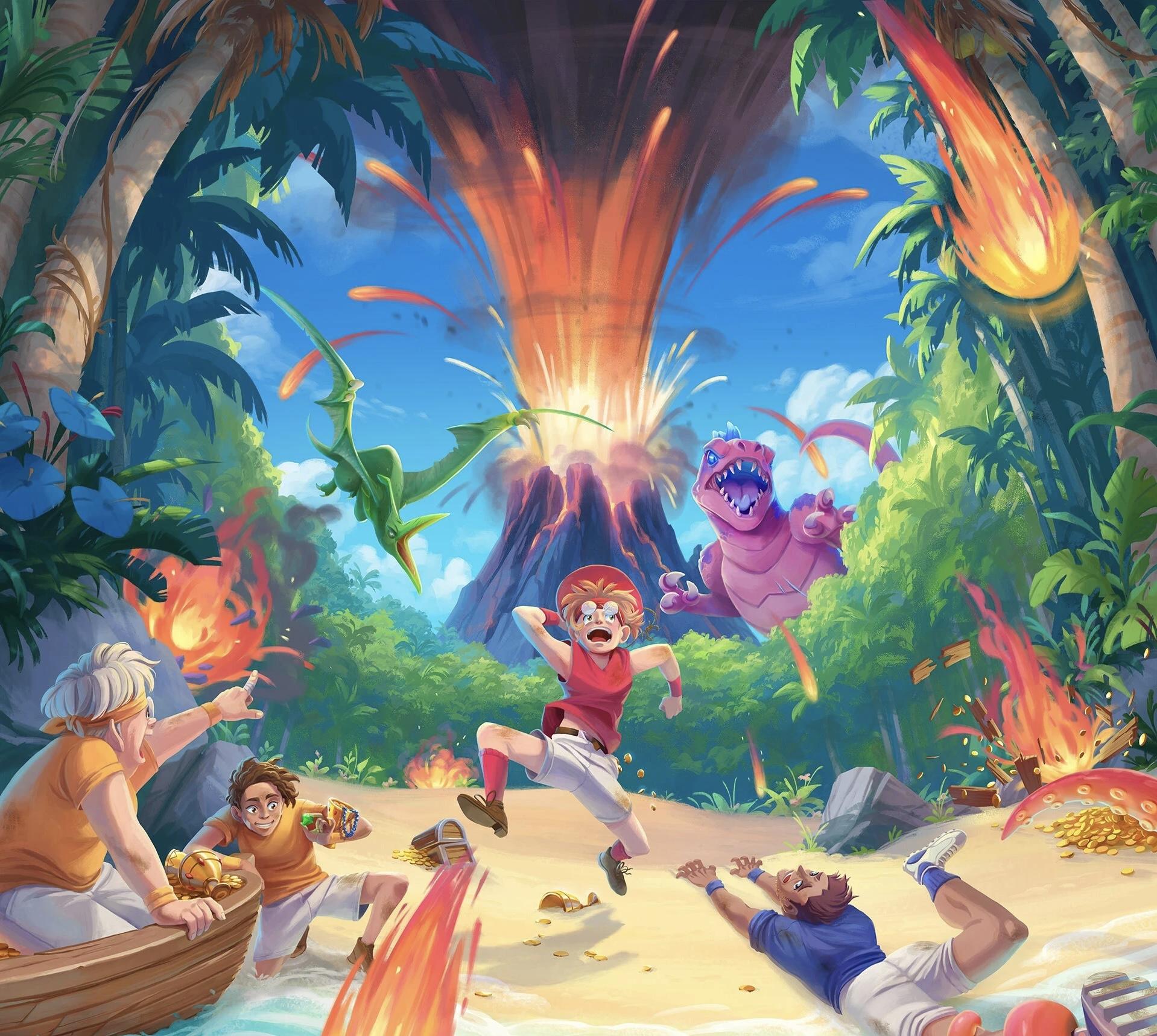
Art as a Tool for Understanding the Game
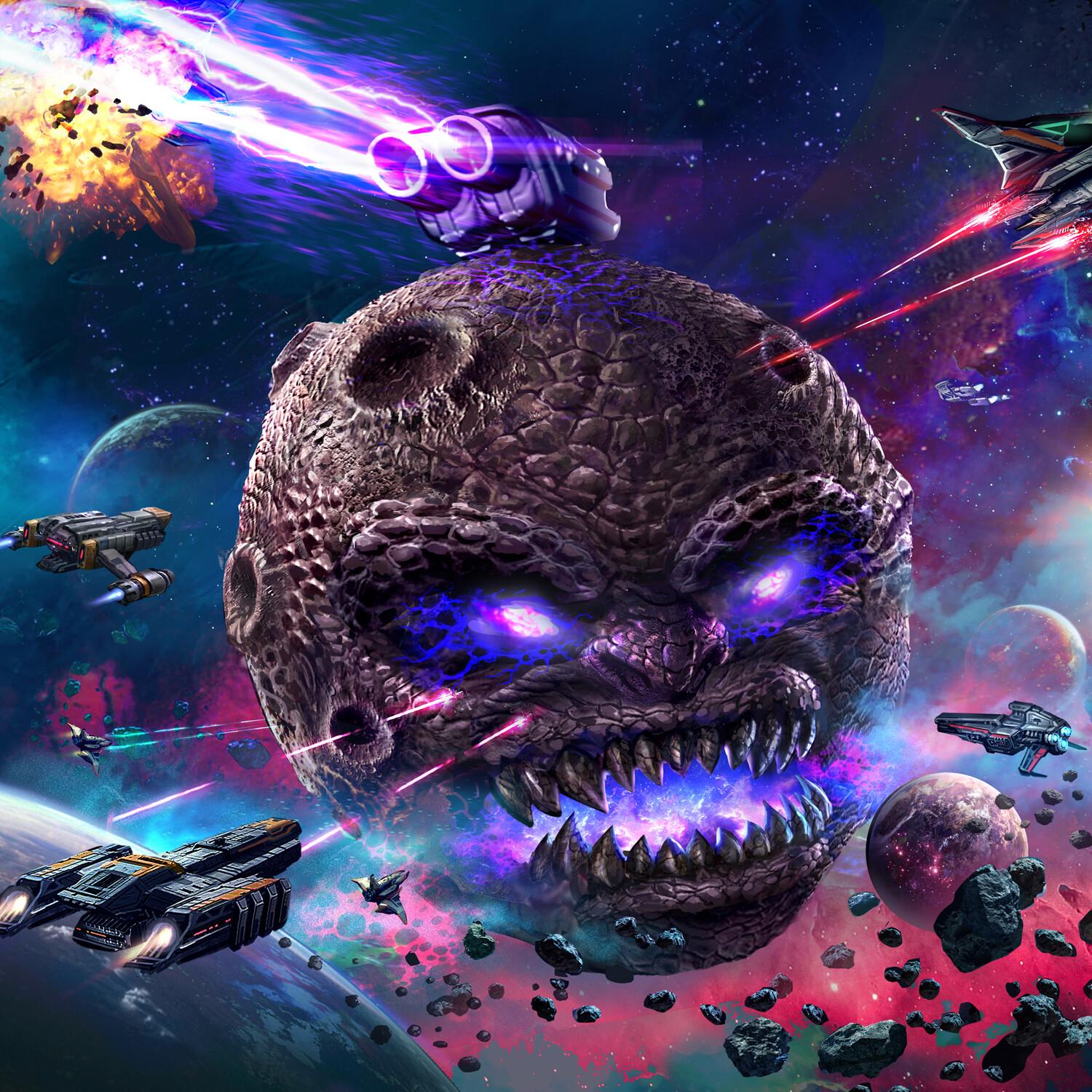
Art is not separate from gameplay, it supports it. Icons, symbols, and visual cues guide player decisions. Good layout reduces cognitive load. Clear visuals shorten learning time. Poor visuals cause confusion, misplays, and frustration.
When art supports gameplay, rules feel lighter and learning curves feel smoother. When it does not, players struggle, not because the game is complex, but because the visuals are unclear. Art that is integrated into gameplay design becomes a silent teacher, constantly reinforcing understanding without interrupting the flow of play.
How Art Shapes Player Emotion and Experience
Board games are emotional experiences. Tension, excitement, anticipation, relief, and surprise all happen around the table, and art amplifies those emotions. The look of a card draw, the reveal of a board state, or the visual drama of a final move can heighten the impact of the moment.
Art influences how players feel when they win, when they lose, and when they are deciding what to do next. A well-illustrated game draws players deeper into the experience, making moments feel meaningful rather than mechanical. This emotional engagement is often what turns a good game into a memorable one.
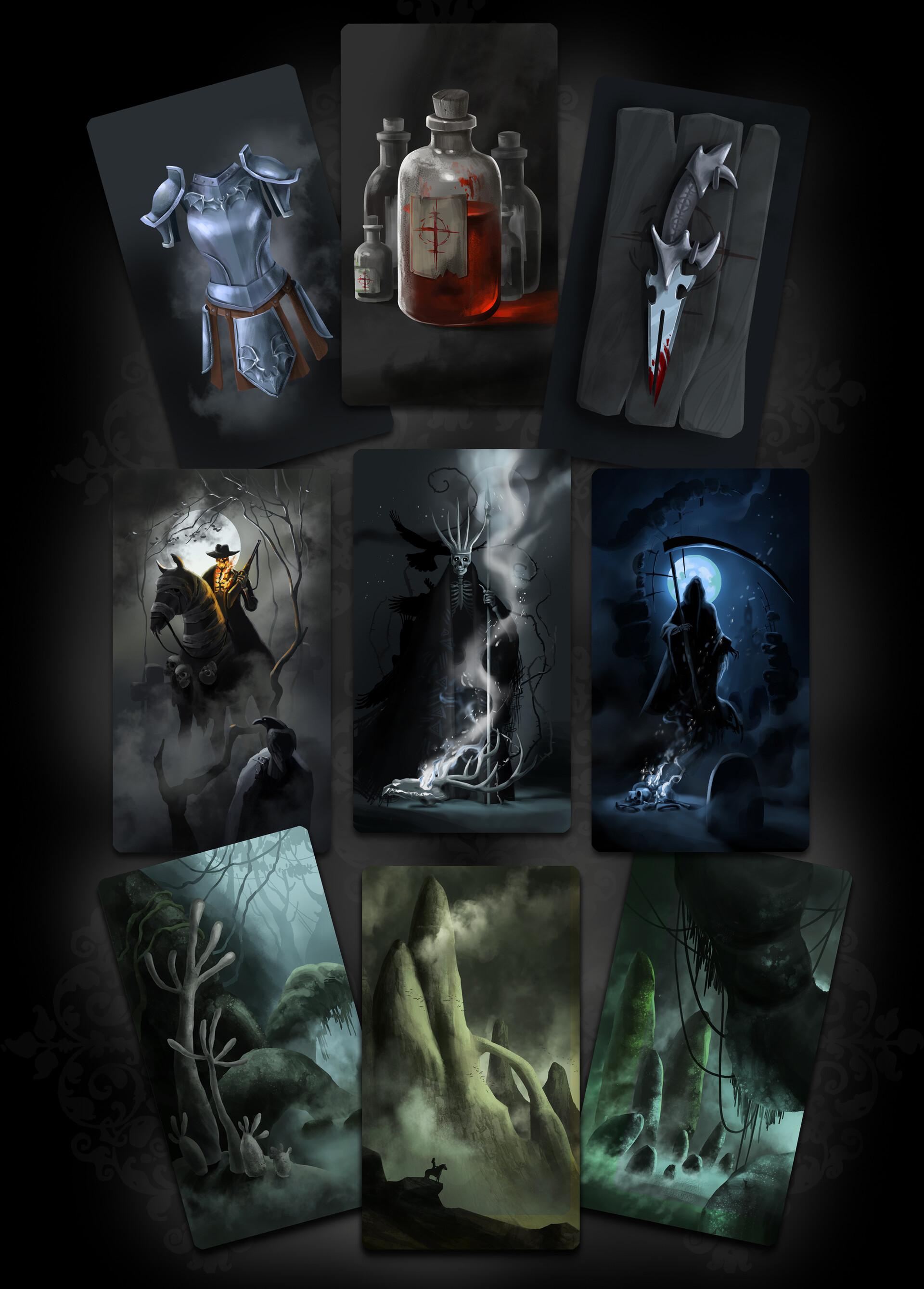
Art and Memory: Why Some Games Stay With Us
Ask players to describe their favorite board games, and they often begin with how the game looks or feels before they explain how it works. Visual memory is powerful when selling. Distinct art styles help games stand out in players’ minds long after the board game box has been put away.
Memorable board game art also makes games easier to talk about and recommend. When players can clearly recall and describe a game visually, it becomes easier for that game to travel from table to table, group to group. Art doesn’t just support memory; it strengthens the board game’s identity.
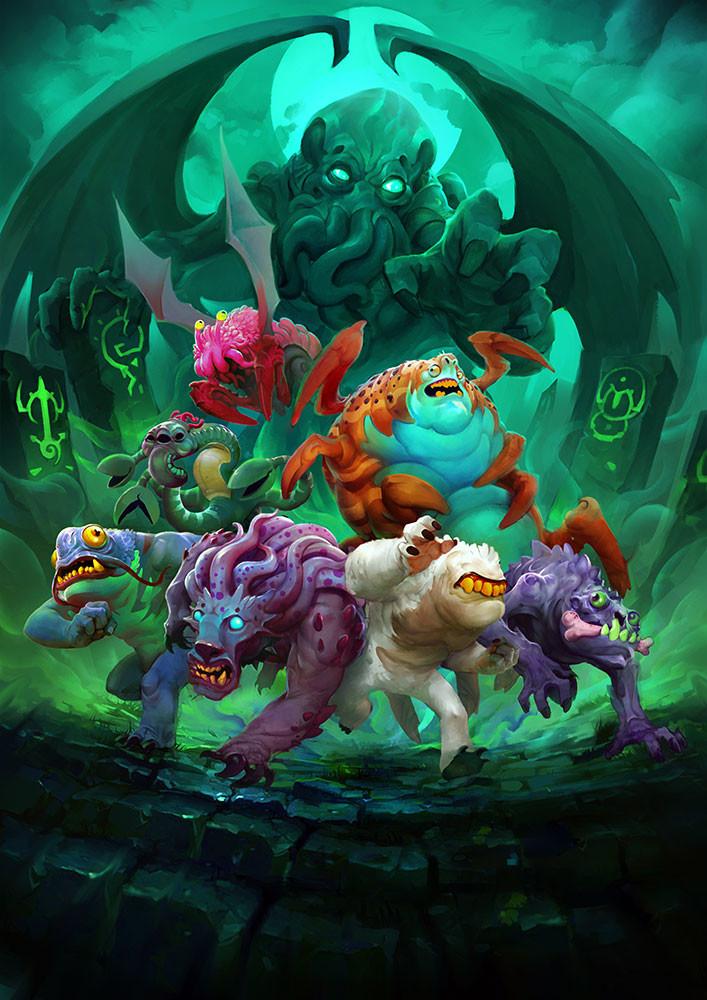

Art as Communication, Not Decoration
Whether intentionally or not, players associate visual quality with overall quality. Thoughtful illustration suggests balance, testing, and refinement. Inconsistent or rushed visuals suggest the opposite. This perception affects trust, especially for new creators or first-time publishers.
Art communicates how much a creator values the player experience. When visuals feel cohesive and intentional, players assume the same care was applied to the mechanics. This connection between art and trust is subtle, but powerful, and it directly affects how a game is received.
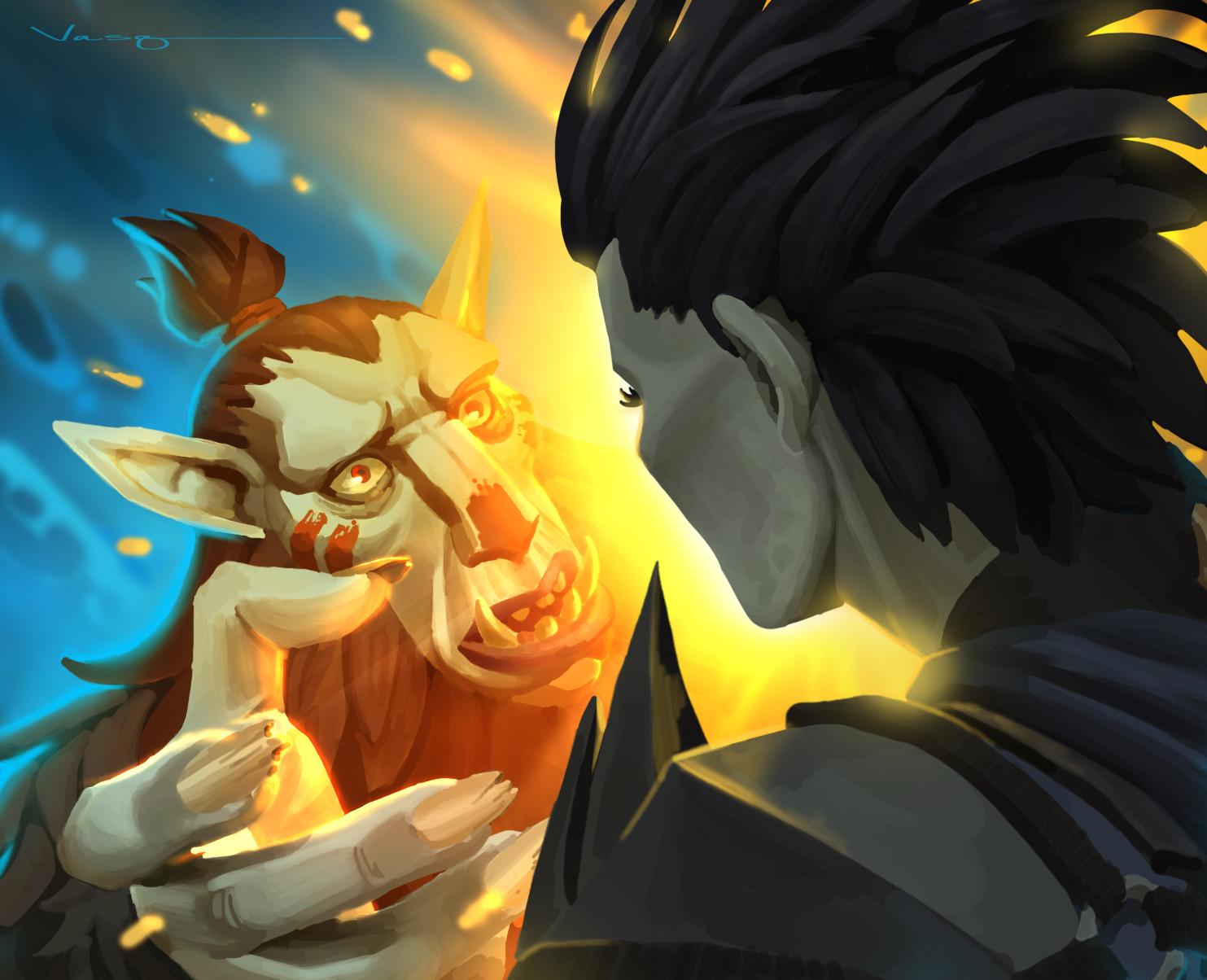
Art Makes Games More Accessible
Accessibility is not only about rules or language; it is also visual. Clear iconography, readable typography, and thoughtful contrast help players of different ages, experience levels, and backgrounds engage with a game more comfortably.
Good art reduces friction. It helps players quickly identify important information and reduces reliance on constant rulebook consultation. When visuals are designed with clarity in mind, the game becomes more welcoming, inclusive, and enjoyable for a wider audience.
Art Extends the Life of a Game Beyond the Table
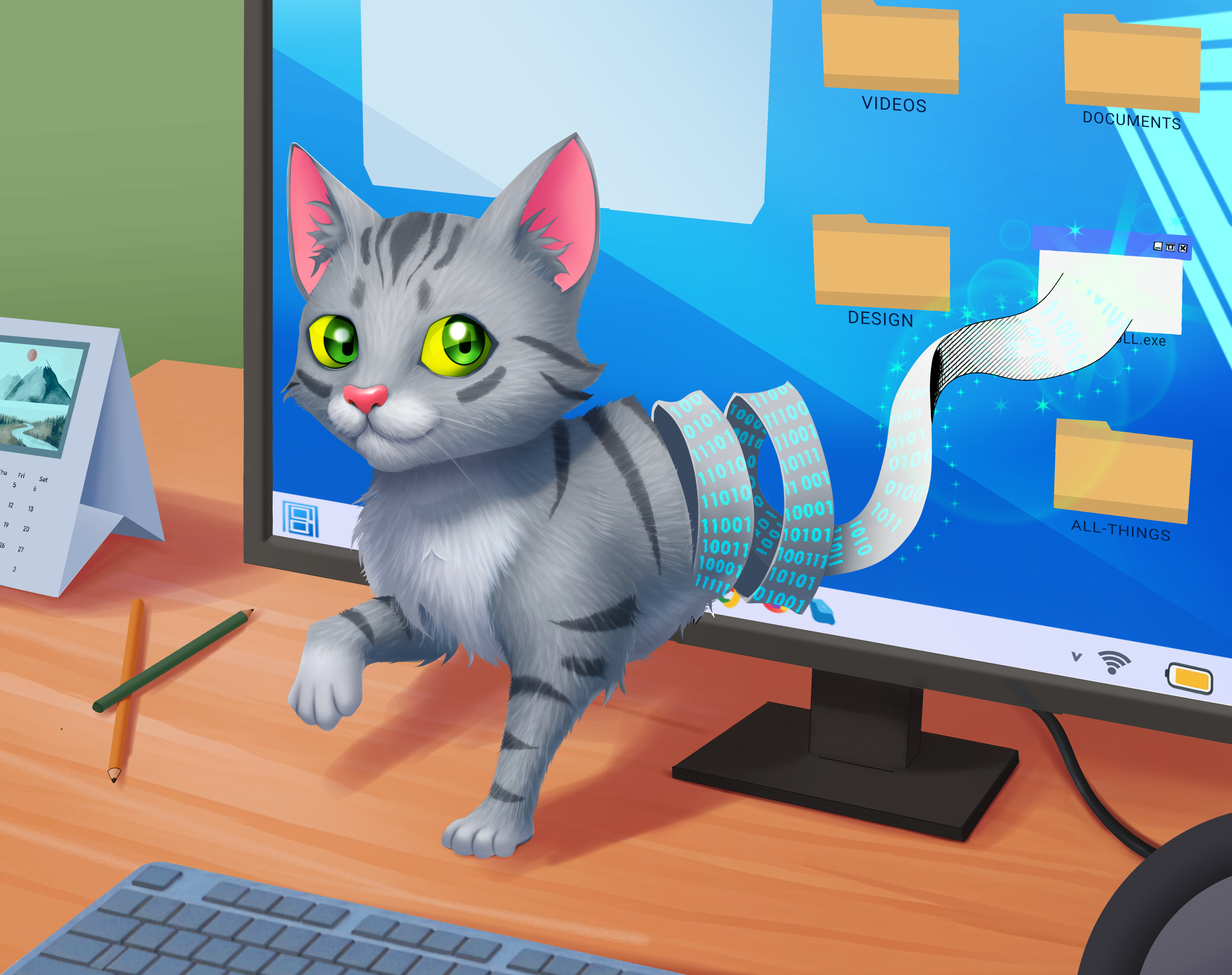
In today’s world, games are shared online almost as much as they are played. Photos, videos, previews, and reviews all rely heavily on visuals. Art becomes the face of the game in these spaces, shaping how it is perceived by people who may never have seen it in person.
Crowdfunding, marketing, and community growth are all driven by imagery. Strong artwork helps a game communicate its value instantly, long before players have a chance to experience the mechanics themselves. Art allows a game to exist and thrive beyond the physical table.
The Costly Misunderstanding of “Art Comes Last
One of the most common mistakes in board game creation is treating art as a final layer rather than a foundational element. When visuals are added late, they are often forced to adapt to decisions that were never designed with visual communication in mind.
This approach limits the potential of both the art and the game. When art is considered earlier, it can inform layout, pacing, and even mechanical choices. Games developed with visual intention tend to feel more cohesive and complete because all elements are working toward the same experience.
When Art Is Considered Early vs Late
The strongest board games are those where mechanics and visuals evolve side by side. Early visual direction helps establish tone, scale, and focus. It allows creators to see their game as players will experience it, not just as a system of rules.
This collaborative process is where professional illustration studios make a meaningful difference.
At boardgamesart.com, the focus is not simply on producing attractive images, but on understanding the game itself. By working closely with creators from concept through completion, art becomes a strategic part of the design process rather than an afterthought.
Art Is a Creative Partnership
Great board game art does not come from isolation. It comes from dialogue, interpretation, and shared vision. Illustrators translate mechanics, themes, and emotions into visuals that players can immediately understand and connect with.
A dedicated board game illustration studio brings experience not just in drawing, but in the unique demands of board games. From component hierarchy to thematic consistency, this specialized understanding ensures that the artwork enhances the game rather than competing with it. This is the difference between simply hiring an artist and building a creative partnership.
So, Does Art Matter in a Board Game?
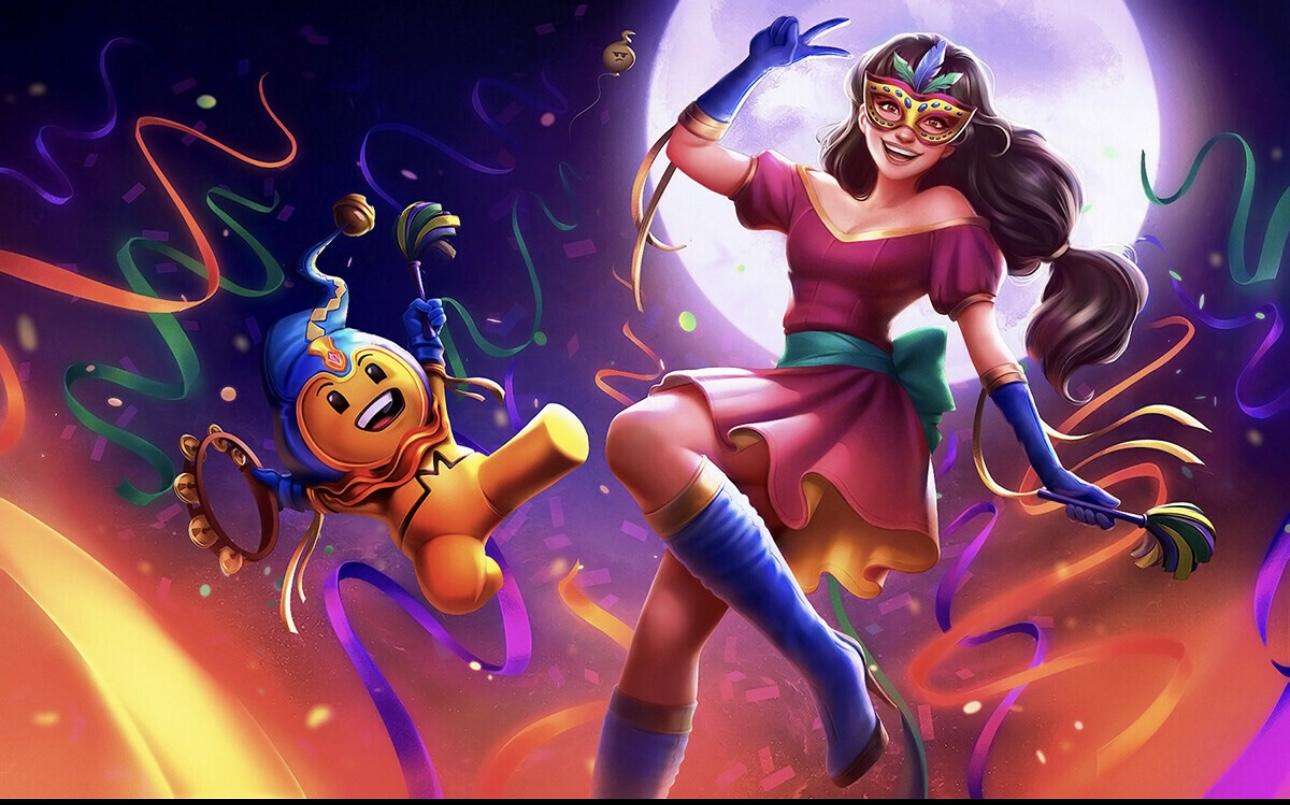
Art matters because board games are human experiences. They are learned visually, felt emotionally, and remembered through images as much as through mechanics. Art invites players in, guides them through play, and leaves a lasting impression after the game is over.
Mechanics make a game function, but art helps it connect. When creators invest in thoughtful, intentional visuals, they are investing in clarity, emotion, accessibility, and longevity. For those who want their games not only to work, but to live and be remembered, art is not optional, it is essential.
At boardgamesart.com, we believe great games deserve great visual storytelling. Reach out to us today so that we can take your game to the next level.
Our role is to help creators bring their ideas to life through artwork that communicates, supports, and elevates the entire experience. Because when art and design work together, board games become more than systems, they become worlds players want to return to again and again.